
The Pacific Northwest has three distinct wing foiling scenes: the Columbia River Gorge (Hood River) for strong, reliable 15-30 knot thermals; Puget Sound (Seattle/Everett) for light 12-15 knot wind and flat inland lakes; and British Columbia (Squamish/Vancouver) for a cold-water thermal fjord. Pick a region by how much wind and cold water you want.
These three scenes sit within a day’s drive of each other, which is what makes the Pacific Northwest work as one trip rather than three separate ones. This guide covers what each region is actually like on the water, the schools and costs, and how to string them together.
Where Do You Wing Foil in the Pacific Northwest?
Three regions cover the Pacific Northwest wing foiling scene: the Columbia River Gorge around Hood River, Oregon; Puget Sound around Seattle and Everett, Washington; and British Columbia around Squamish and Vancouver. Each has a different wind character, so the right one depends on your skill level and wind preference.
| Region | Signature launch | Typical wind | Summer water temp | Season |
|---|---|---|---|---|
| Columbia Gorge (Hood River, OR) | The Hook / Event Site | 15-30 knots, gusts to 40 | ~22°C (72°F) | May-September |
| Puget Sound (Seattle/Everett, WA) | Golden Gardens / Jetty Island | 12-15 knots | ~13-14°C (57°F) | May-September |
| Squamish, BC | The Spit | 18-24 knots | ~17.7°C (64°F) | May-September |
| Vancouver, BC | Jericho Beach | Light sea breeze | ~17.5°C (64°F) | May-September |
The Gorge is the wind engine, Puget Sound is the light-wind and beginner option, and BC splits into a mellow city spot (Vancouver) and a second strong thermal (Squamish). None of them require booking flights between regions since they’re all drivable.
What’s Wing Foiling Like in the Columbia River Gorge?
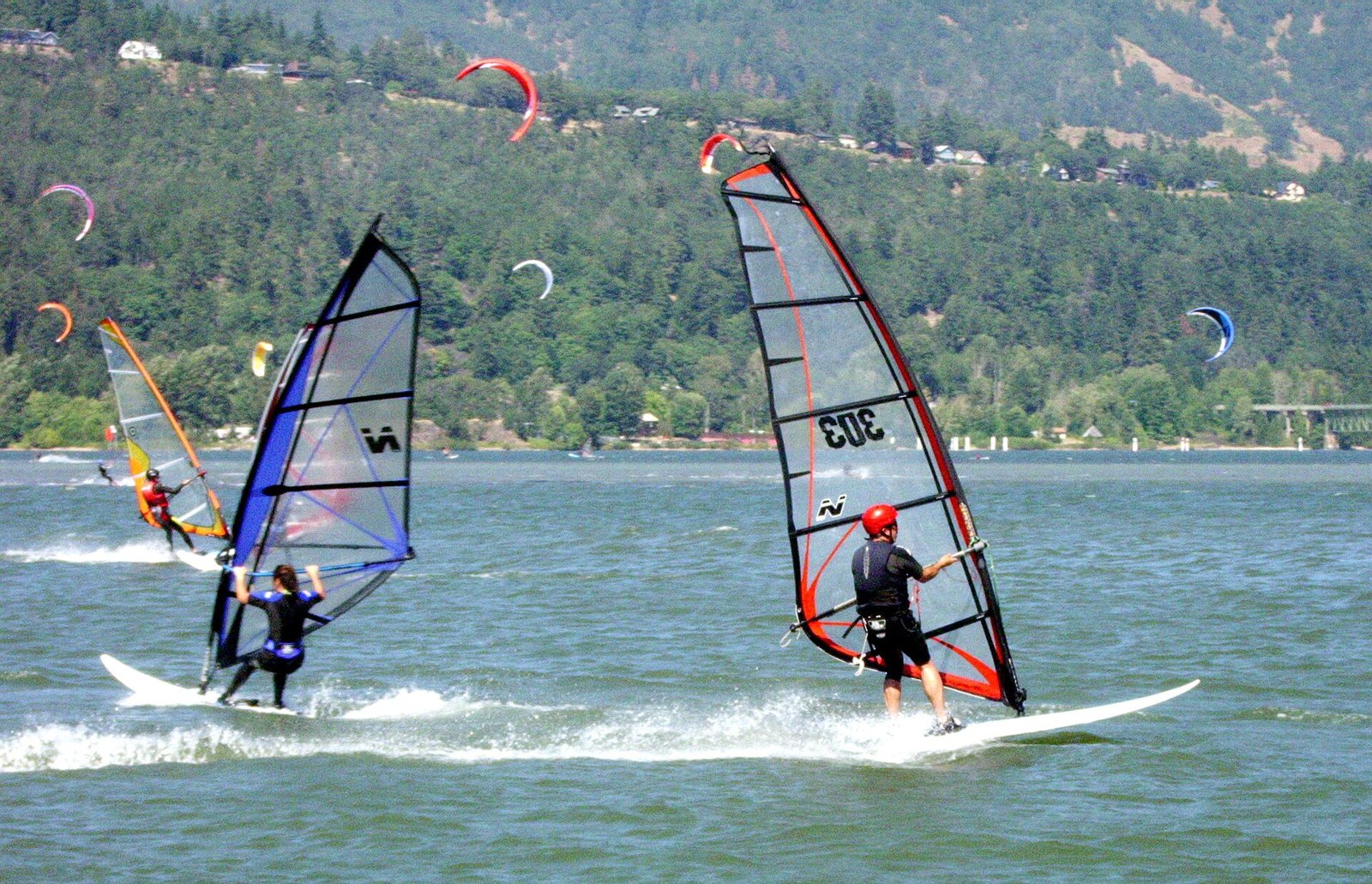
The Columbia River Gorge around Hood River, Oregon has the Pacific Northwest’s strongest and most consistent wing foiling wind, typically 15-30 knots and gusting to 40 knots on big days, over a season that runs May through September. It’s a small-gear venue: most riders use 3-4m wings rather than the larger sizes needed elsewhere in the region.
The river itself has 10-15 named launches spread across roughly 100 miles, but three matter most for visitors. Progression here is deliberate: start at the sheltered beginner spot, then move to the open, windier launches once you can self-rescue.
| Launch | Character | Best for |
|---|---|---|
| The Hook | Sheltered launch, lighter morning wind | Absolute beginners and first lessons |
| Waterfront Park / Event Site | Grassy launch next to town, some launches require a paid permit, wind can run stronger | Beginners through advanced |
| Wells Island, Hood River Sandbar | Gustier, more open water | Intermediate and advanced riders |
Several Gorge schools teach wing foiling out of Hood River. Gorge Kite & Wing runs private lessons (45 minutes of classroom plus two hours on the water) for $350, or a buddy lesson at $295 per student if you bring a same-level partner. Columbia Gorge Foiling offers a Wing Foil 101 foundation course and a 2.0 progression course as private 1-on-1 coaching, with pricing available through its booking system rather than listed publicly.
- Water: freshwater river, cold year-round from snowmelt
- June average: around 17°C (63°F)
- July-August average: around 22°C (72°F), the warmest stretch
- Wetsuit: standard kit for most of the season, even in summer
Portland is the nearest airport hub, about 62 miles (1 hour 7 minutes) from Hood River, which makes the Gorge an easy day trip or short base for a dedicated wind week.
Where Can You Wing Foil Around Puget Sound?
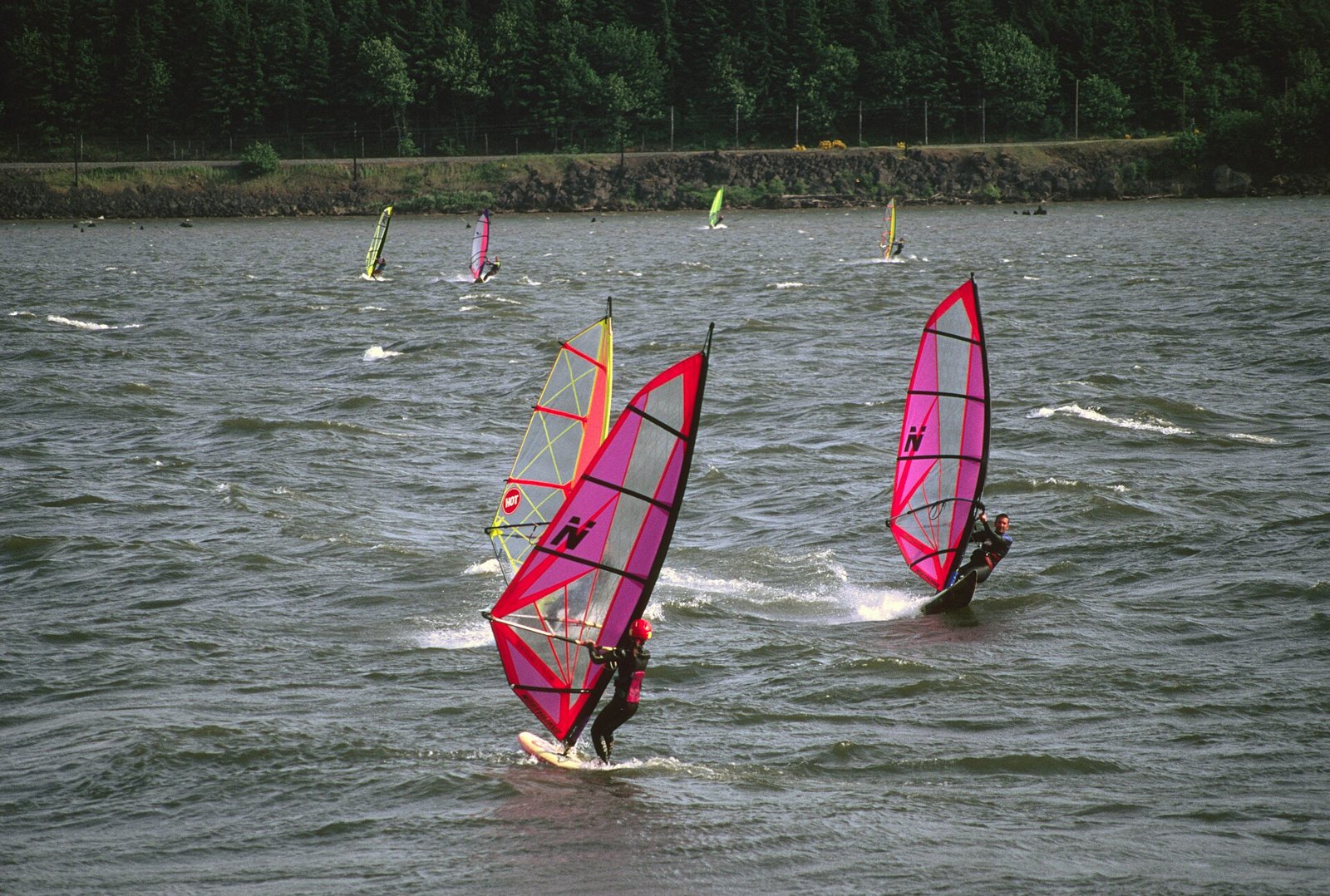
Puget Sound around Seattle and Everett, Washington has the Pacific Northwest’s lightest and most beginner-friendly wing foiling wind, commonly 12-15 knots, plus flat inland lakes the Gorge and BC don’t have. That light-wind range is the actual selling point: wing foiling works in breeze too weak for windsurfing or kiteboarding, so Puget Sound riders don’t need to chase a strong thermal to get out.
The scene splits between flat-water lakes for learning and saltwater spots for real sessions.
- Lake Washington, Lake Union, Green Lake: flat, sheltered water increasingly used for first sessions
- Golden Gardens (Ballard, Seattle): the main saltwater spot in Seattle proper, popular with local wing foilers
- Jetty Island (Everett): a 2-plus-mile sand jetty about 29 miles (32 minutes) north of Seattle, known locally as “steady Jetty” for its dependable afternoon thermal
- Edmonds, Anacortes: further saltwater options riders in the region also use
Urban Surf runs private wing foil lessons at Jetty Island, 2-3 hours depending on skill level, covering gear setup, wind theory and on-water progression. Pricing isn’t published on its site; confirm current rates through its booking system before you plan around it.
Gear-wise, Puget Sound’s light wind calls for bigger equipment than the Gorge or Squamish: a 2-7m² wing sized toward the larger end, and a 100-140 litre board for anyone still learning. A full beginner setup (wing, board, foil) typically runs $2,000-4,000 new.
Summer water in Puget Sound averages around 13.9°C (57°F), warming slightly to about 14.6°C (58.3°F) in August, so a full wetsuit is standard even in the warmest months.
Is British Columbia Part of a Pacific Northwest Wing Foiling Trip?
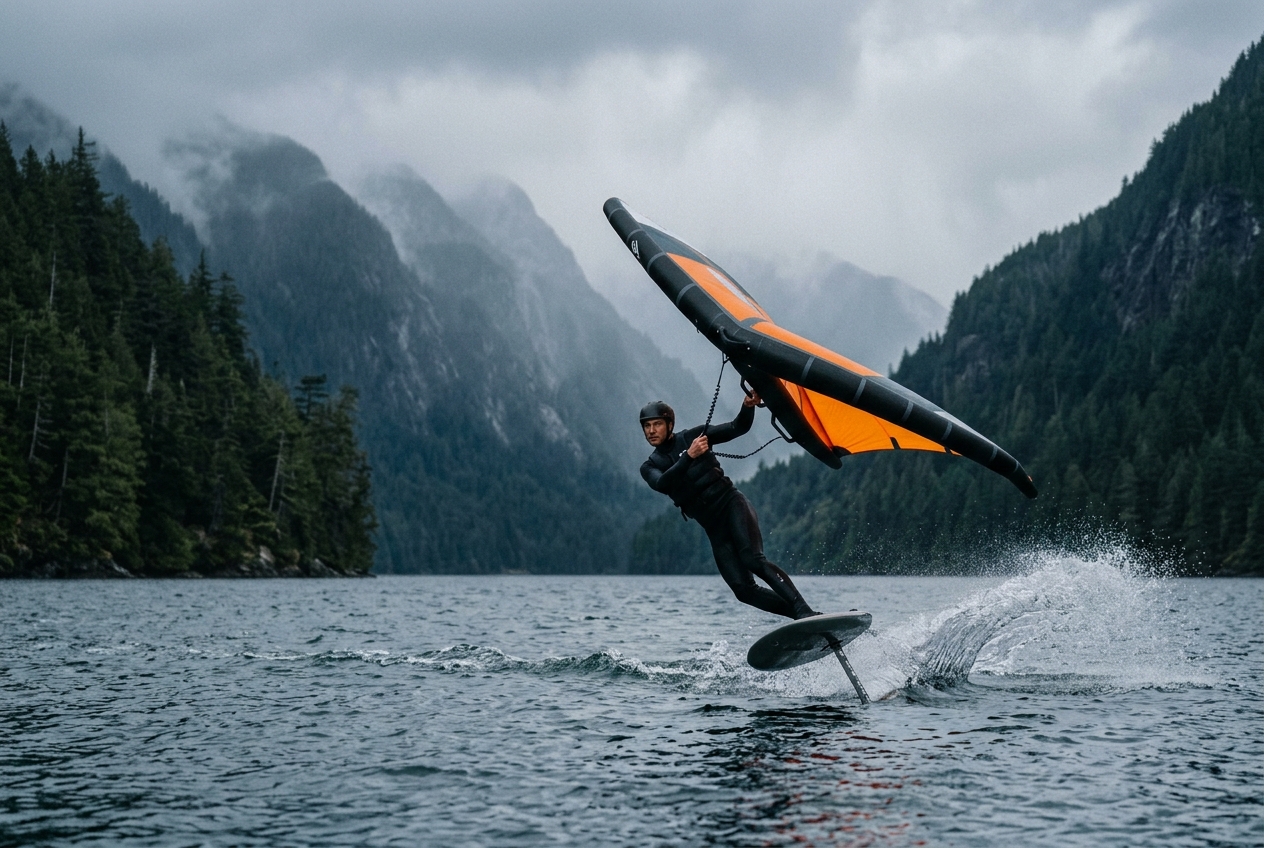
Yes. Vancouver and Squamish, about 140 miles (2 hours 21 minutes) north of Seattle across the border, add a third character to a Pacific Northwest trip: a mellow city spot and a strong cold-water thermal an hour apart from each other.
Vancouver’s Jericho Beach is a single-school, light sea-breeze scene on English Bay, better suited to riders past the very first stage since gear rental requires a lesson or skills check first. Squamish’s Spit, an hour north, is a genuine wind engine at 18-24 knots most summer afternoons, access managed by the Squamish Windsports Society through a day fee or season membership rather than open public access.
Both run a similar May-to-September season to the Gorge and Puget Sound, so a Pacific Northwest itinerary can realistically hit all three regions in one summer trip without conditions ruling any of them out.
How Do You Plan a Pacific Northwest Wing Foiling Trip?
Base in Seattle or Portland and treat the Gorge, Puget Sound and BC as day trips or short add-ons rather than a single road trip covering all three at once, since the drives between regions run 2-4 hours each way.
| Route | Distance | Drive time |
|---|---|---|
| Portland, OR to Hood River, OR | 62 miles | 1 hour 7 minutes |
| Seattle, WA to Hood River, OR | 227 miles | 3 hours 37 minutes |
| Seattle, WA to Everett, WA | 29 miles | 32 minutes |
| Seattle, WA to Vancouver, BC | 140 miles | 2 hours 21 minutes |
| Vancouver, BC to Squamish, BC | 69 km (43 miles) | 1 hour 8 minutes |
A practical split for a two-week trip: a few days in Portland with day trips to Hood River for wind, then fly or drive to Seattle for a light-wind Puget Sound session, and add Vancouver/Squamish on the end if a Canadian border crossing fits your schedule.
Pack for cold water everywhere in the region. Even the Gorge’s warmest summer water (around 22°C/72°F) calls for at least a spring suit, and Puget Sound and BC’s Howe Sound stay in the mid-to-high teens Celsius through summer, so a 4/3mm or thicker wetsuit is the safer default for the whole trip.
Wrapping Up
The Pacific Northwest isn’t one wing foiling destination, it’s three: the Columbia Gorge for maximum wind, Puget Sound for light-wind and lake sessions, and BC for a cold-water thermal fjord an hour from Vancouver. All three run the same May-to-September season and sit within a few hours’ drive of each other, so the real planning question is how much wind and cold water you’re after, not which single region to pick.
Frequently asked questions
Where is the best place to wing foil in the Pacific Northwest?
It depends on the wind you want. The Columbia River Gorge (Hood River, OR) has the strongest and most reliable wind at 15-30 knots. Puget Sound (Seattle/Everett, WA) is lighter at 12-15 knots and better for beginners, with flat lakes to learn on. Squamish, BC adds a third strong option at 18-24 knots, an hour from Vancouver.
How windy is the Columbia River Gorge for wing foiling?
Normal days run 15-30 knots, with gusts up to 40 knots possible, over a season from May through September. It's a small-gear venue, so most riders use 3-4m wings rather than the larger sizes needed in lighter-wind spots like Puget Sound. The Hook, the sheltered beginner launch, has lighter morning wind.
Can beginners wing foil in Puget Sound?
Yes, and it's arguably the easiest Pacific Northwest region to start in. Lake Washington, Lake Union and Green Lake offer flat, sheltered water for first sessions, and the region's typical 12-15 knot wind is light enough for wing foiling even though it's too weak for windsurfing or kiteboarding. Golden Gardens and Jetty Island are the main saltwater spots once you're ready.
Do you need a thick wetsuit for Pacific Northwest wing foiling?
Yes, across all three regions. Puget Sound averages around 13.9°C (57°F) in summer, Howe Sound in BC stays in the mid-to-high teens Celsius, and even the Columbia Gorge's warmest water (around 22°C/72°F) calls for at least a spring suit. A 4/3mm or thicker wetsuit is the safer default for a multi-region trip.
Is British Columbia worth adding to a Pacific Northwest wing foiling trip?
Yes, if your schedule allows a border crossing. Vancouver is about 140 miles (2 hours 21 minutes) north of Seattle and offers a mellow, single-school city spot at Jericho Beach. Squamish, an hour further, adds a strong 18-24 knot thermal at the Spit. Together they run a similar May-to-September season to the Gorge and Puget Sound.