
Lessons win on speed and safety because an instructor corrects body-position errors you cannot feel yourself, before they turn into habits. Self-teaching works too, it is just slower: Epic Boardsports puts unsupported learners at 6 to 12 months to independence, against a few sessions with a coach. The honest middle path is a handful of lessons up front, then self-practice.
What Do Wing Foil Lessons Actually Teach You?
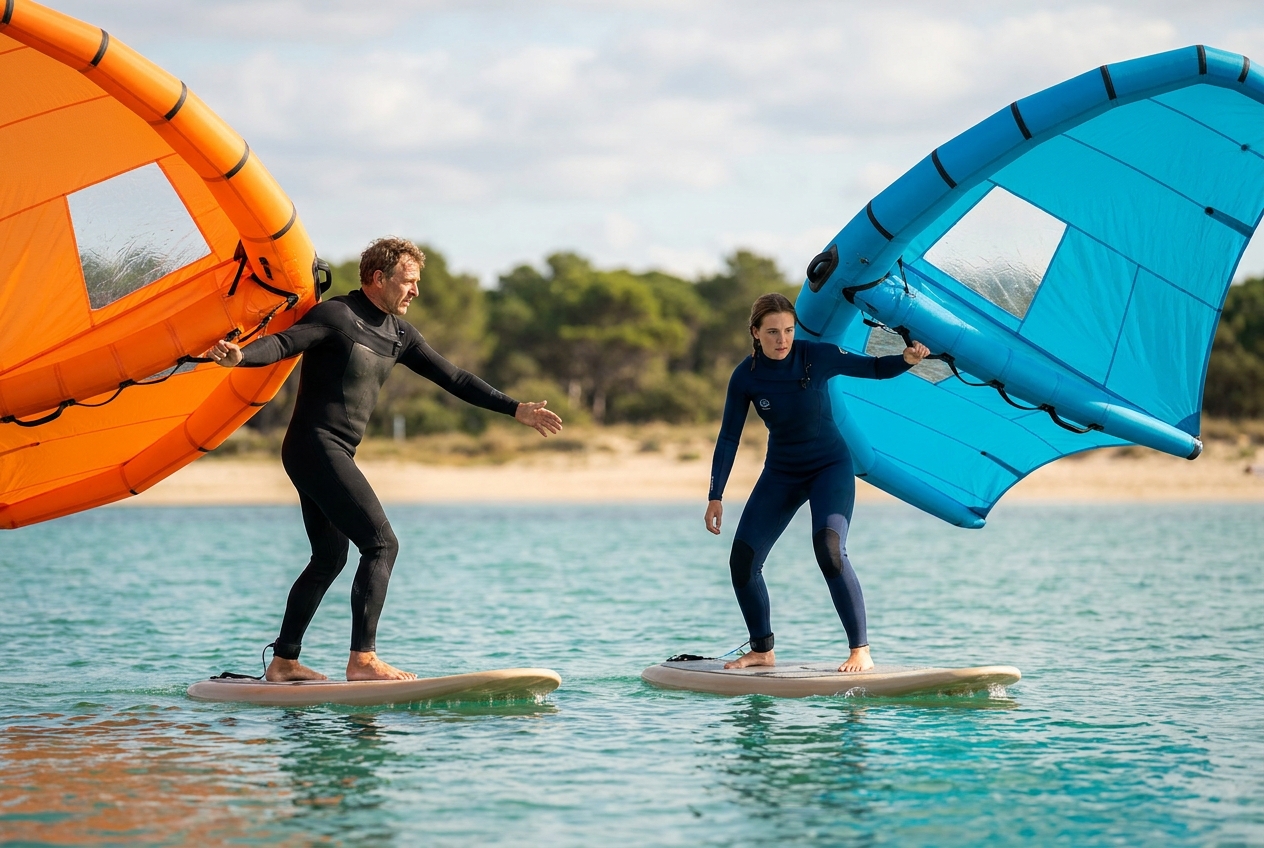
Lessons teach the things you cannot feel yourself doing wrong. Parawingfoil’s beginner guide puts it plainly: “A good instructor puts you on correctly sized kit in the right conditions, gives you the steps in the right order, and catches the small body-position errors you cannot see in yourself before they harden into habits.”
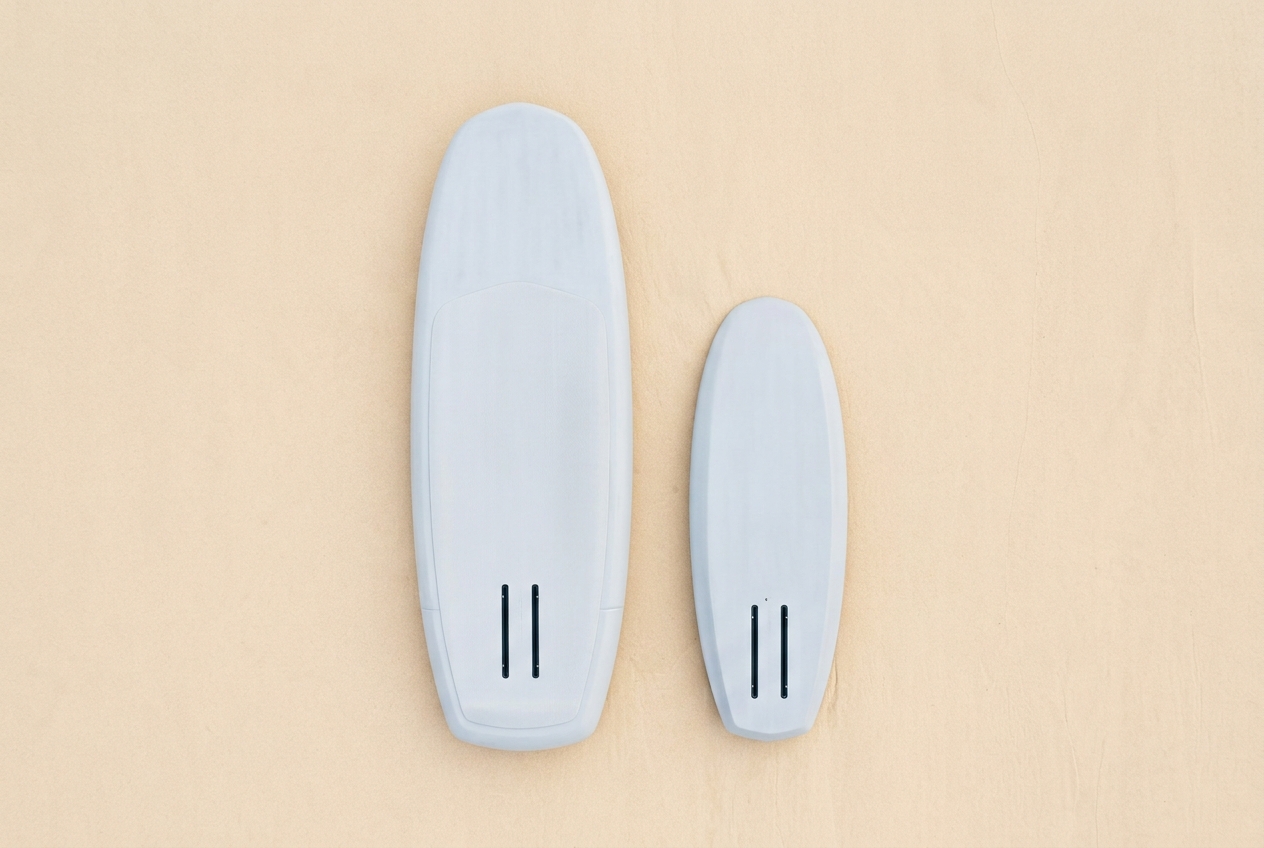
Strut Kite & Wing, a coaching outfit that runs beginner wing camps, makes the same case from the technique side: “One solid lesson can set you up with correct stance and body positioning, teach efficient wing handling, prevent bad habits before they form.” A lesson also removes the gear guesswork. Epic Boardsports (a Florida coaching school) frames the wrong-kit problem bluntly: “Wrong foil, wrong wing, wrong board volume? That’s how most self-taught riders burn time and cash.”
What Do Self-Taught Riders Actually Miss?
Self-taught riders usually cannot see their own biggest error. Parawingfoil’s guide names two invisible ones: “Your weight is further back than you think, your eyes are down without your realising.” Both feel fine from the inside and both slow down every session until someone points them out.
Strut Kite & Wing links the same problem to habit formation, not just a single mistake: “A lot of beginners try to self-teach everything or rely on random tips from friends. The result? Bad habits that can slow progress for months, or even lead to frustration or injury.” Ryan Goloversic at Epic Boardsports, who spent six months teaching himself despite already being a professional kiteboarder, describes the same stretch as “the J-curve, the steep, slow part of learning where it still feels hard and awkward and not quite fun yet.”
| What a lesson fixes | What self-teaching tends to produce instead |
|---|---|
| Correct stance and weight position from session one | Weight parked too far back, unnoticed for weeks |
| Wing handling technique matched to real wind | Random tips from friends, applied inconsistently |
| Gear sized to your weight and skill level | Wrong foil, wing or board volume, bought and re-bought |
| A structured order of steps | No clear roadmap for progression |
Do Lessons Pay For Themselves?
According to Parawingfoil, yes, usually: “Three lessons will usually save you more than they cost in wasted sessions and wrongly bought gear.” The guide calls front-loading a couple of lessons “the best-value decision in the whole sport.”
Group lessons run $50 to $100 an hour and private coaching $100 to $200 an hour, with gear usually included, and structured multi-day courses land in the $500 to $1,500 range depending on length and school. Our full wing foiling cost breakdown covers every format and price tier. Weighed against a starter setup of $1,500 or more, a wrongly sized board or foil bought before you know what suits you is an expensive mistake to make twice.
How Long Does Self-Teaching Actually Take?
Slower than most people expect. Epic Boardsports’ FAQ states: “Even experienced riders often take 6 to 12 months to teach themselves.” That is their own school’s estimate, worth reading as a coaching business’s perspective rather than an independent study, but it lines up with Goloversic’s own account of six months to learn solo despite an existing kiteboarding background.
With coaching, Epic says riders “start to fly the foil and control the wing in just a few sessions.” For the full hours-to-milestone breakdown by background and lesson use, see our guide to how long it takes to learn wing foiling, which covers timelines beyond just the lessons-versus-solo question, including athletic background and session frequency.
Is a Hybrid Approach the Best of Both?
For most riders, yes. The pattern across every source here is the same: front-load a small number of lessons, then self-practice with what you learned. Parawingfoil frames it as lessons “before you buy anything and before you ingrain anything,” not as a full-course substitute for water time.
- Book 1 to 3 lessons before buying gear. This is when correcting stance and confirming board/wing size is cheapest, before you have sunk money into the wrong kit.
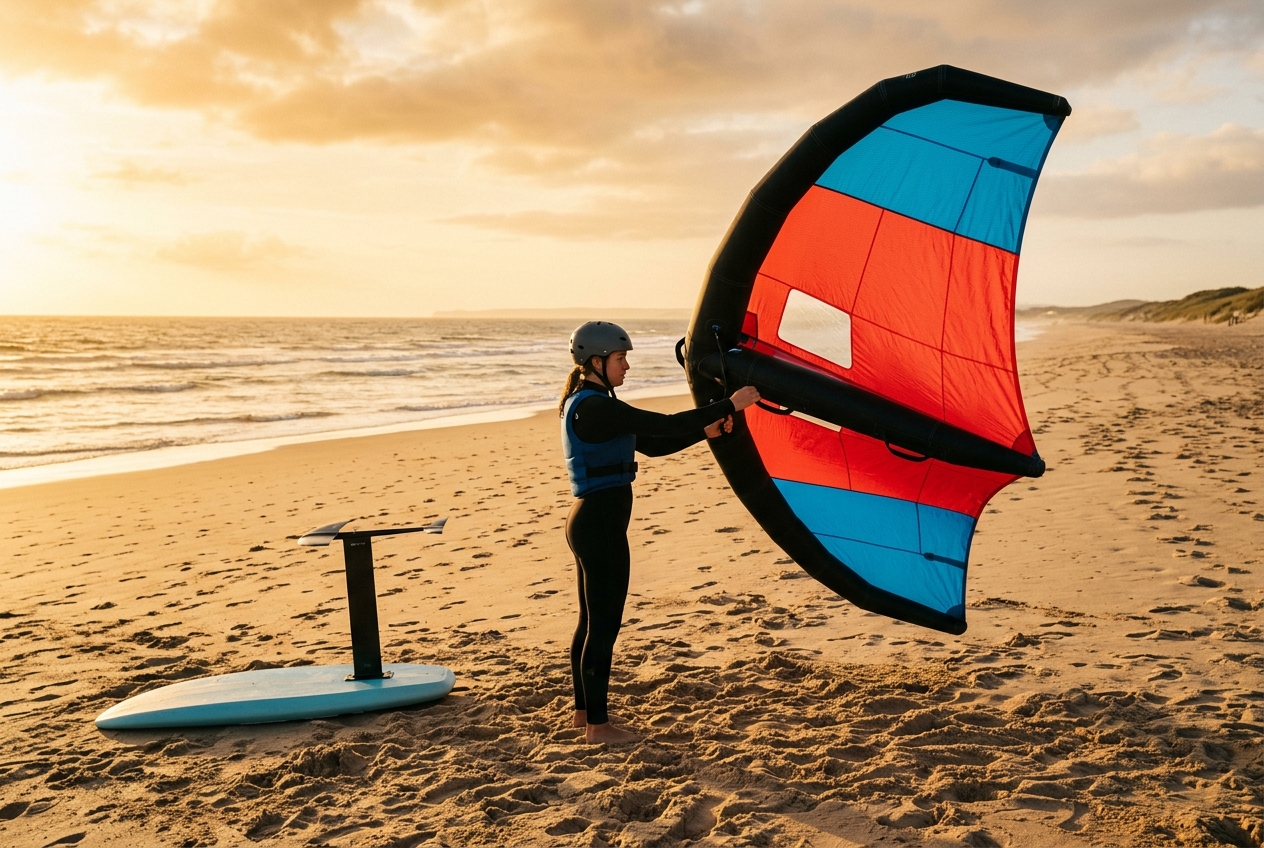
- Practice on-land wing handling between sessions. Strut Kite & Wing recommends this specifically so the beach time compounds what the instructor already corrected, rather than reinforcing a habit nobody has checked.
- Ride often in short sessions rather than rarely in long ones. Parawingfoil: “A rider who gets out for two hours twice a week will progress far faster than one who does a single big session once a month.”
- Book a follow-up lesson if you plateau. A flat stretch after early progress is normal, not a sign self-teaching has failed, but it is also the point where an outside eye catches whatever habit is capping you.
Who Can Reasonably Just Self-Teach?
Riders with a directly transferable background are the exception, not everyone. Windsurfers, kitesurfers and experienced SUP riders already carry the balance, wind-reading and water-safety instincts a beginner lesson exists to install. Epic Boardsports’ own Goloversic, a professional kiteboarder, still took six months to self-teach wing foiling, so even a strong crossover background is not a guarantee of a fast solo learning curve, just a faster one than starting from zero.
If you have no board-sports background at all, no access to a spotter or buddy who can point out errors, and no way to size gear correctly first, self-teaching is where the 6 to 12 month range and the highest risk of hard-to-break habits both live.
Frequently asked questions
Can you really teach yourself to wing foil?
Yes, but it is slower. Epic Boardsports puts unsupported learners at 6 to 12 months to independence, against a few sessions with a coach, and its own professional kiteboarder took six months to teach himself. The trade-off is time, habits nobody corrects, and the risk of buying wrongly sized gear.
How many lessons do you actually need?
A small number, front-loaded. Book 1 to 3 lessons before buying gear, when correcting stance and confirming board and wing size is cheapest. Parawingfoil says three lessons usually save more than they cost in wasted sessions and wrongly bought gear, and a follow-up lesson helps if you plateau later.
What do self-taught riders get wrong most often?
Weight too far back and eyes looking down, according to Parawingfoil. Both feel normal from the inside, so they go unnoticed until an outside observer points them out. Wrong gear is the other recurring one: Epic Boardsports says wrong foil, wing or board volume is how most self-taught riders burn time and cash.
Do wing foil lessons pay for themselves?
Usually, according to Parawingfoil. Group lessons run $50 to $100 an hour and private coaching $100 to $200 an hour, with gear usually included. Weighed against a starter setup of $1,500 or more, a wrongly sized board or foil bought before you know what suits you is an expensive mistake to make twice.
Who can reasonably skip lessons and self-teach?
Riders with a directly transferable background, such as windsurfers, kitesurfers and experienced SUP riders, who already have the balance, wind-reading and water-safety instincts a beginner lesson installs. Even then it is not guaranteed to be fast. With no board-sports background, no buddy to spot errors and no way to size gear, lessons are the safer bet.